Floodwaters Reach Western Deir Ezzor
A rapid rise in the Euphrates River submerged about 16,870 dunums of farmland across western Deir Ezzor on 2 June 2026, with the heaviest losses recorded in al-Khareeta, Hujain, al-Tabneh, and Muhaimidah.
The surge came as the wheat harvest was under way, drowning standing wheat and vegetable crops and forcing farmers to abandon low-lying plots along the riverbank.
Water Stations Knocked Offline
The flooding pushed 83 water pumping stations out of service. Thirteen had been returned to operation by 2 June 2026, while crews shielded another 57 with earthen barriers to keep them running.
Two restored stations, al-Daranj and al-Jala'a, resumed supplying roughly 50,000 residents, with al-Daranj alone serving about 24,000 people. Authorities deployed 38 tanker trucks to nine affected areas, including al-Bukamal, Subaykhan, and al-Ashara.
Ministry Damage Survey
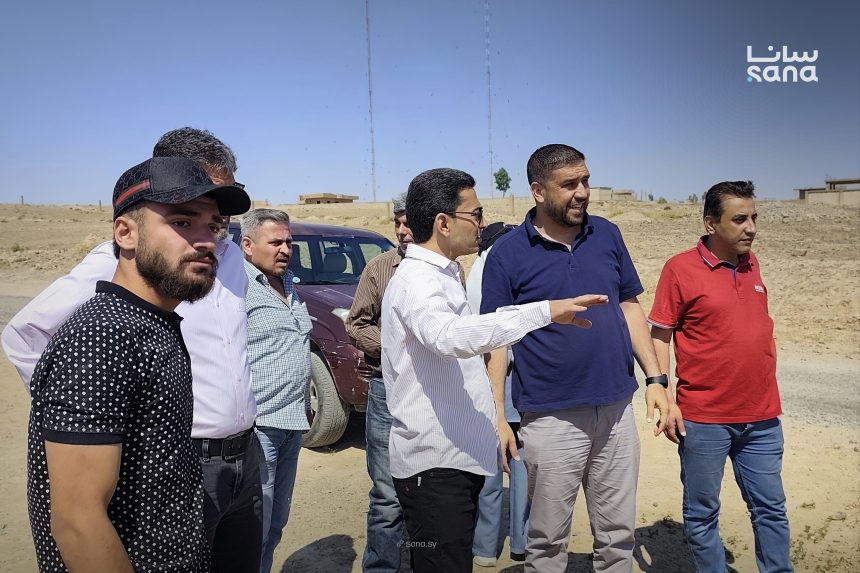
A delegation from the Agricultural Production Support Directorate toured the flooded zone on 2 June 2026 to document losses and prepare farmer compensation. The affected riverbank was split into four sectors, each overseen by a specialized committee.
The survey was ordered, in one official's words, to "stand in the field and determine the scope of damages resulting from the Euphrates water level rise." Findings will pass to a technical committee and the Natural Disasters and Drought Management Board.
Local Emergency Measures
The governorate opened response and emergency operations rooms as the water advanced, issuing warnings to farmers and organizing the evacuation of livestock and the removal of farm equipment from threatened land.
Preventive work at the al-Baghuz station involved relocating electrical and mechanical equipment before the water arrived, and heavy machinery was brought in to raise embankments and protect remaining fields.
Harvest and Compensation Ahead
The timing magnified the damage, striking cropland at the peak of the grain season and adding pressure on rural incomes in one of the country's main agricultural belts.
Compensation for affected farmers depends on the board's review of the documented losses, leaving the final scale of the financial impact to be confirmed once the assessment is complete.